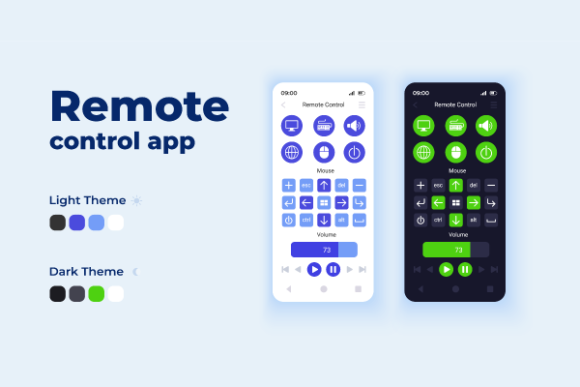
Mastering Remote Control App Interfaces: A Comprehensive Guide
Remote control app interfaces have become an integral part of our daily lives, offering a seamless way to manage and control various devices and systems. From smart home appliances to complex industrial machinery, these apps provide a user-friendly and efficient means of interaction. In this article, we will explore the purpose, significance, and practical applications of remote control app interfaces, along with their design considerations and file formats.
Understanding Remote Control App Interfaces
A remote control app interface is a digital tool designed to allow users to interact with and control other devices or systems remotely. These interfaces are typically found on smartphones, tablets, and computers, and they can be used to manage a wide range of devices, from smart TVs and home security systems to drones and industrial equipment.
The primary purpose of a remote control app interface is to provide a convenient and intuitive way for users to perform tasks that would otherwise require physical interaction. This not only enhances convenience but also improves efficiency and accessibility.
Key Features of Remote Control App Interfaces
- Wireless Connectivity: Remote control apps use wireless technologies such as Wi-Fi, Bluetooth, or cellular networks to communicate with the target device.
- User-Friendly Design: The interface is designed to be simple and easy to use, often featuring large buttons, clear labels, and intuitive navigation.
- Real-Time Transmission: These apps enable real-time data transmission, allowing users to receive immediate feedback and make adjustments on the fly.
- Day and Dark Modes: Many remote control apps offer both day and dark mode designs, providing a comfortable viewing experience in various lighting conditions.
Design Considerations for Remote Control App Interfaces
Creating an effective remote control app interface involves several key design considerations to ensure a seamless and enjoyable user experience. Here are some essential elements to keep in mind:
- Clarity and Simplicity: The interface should be clean and uncluttered, with clear labels and intuitive controls. Avoid overwhelming users with too many options or complex menus.
- Responsive Design: The app should be responsive and adapt to different screen sizes and orientations, ensuring a consistent experience across various devices.
- Accessibility: Incorporate features that make the app accessible to all users, including those with disabilities. This may include voice commands, high-contrast modes, and support for assistive technologies.
- Customization Options: Allow users to customize the interface to suit their preferences, such as adjusting button sizes, changing color schemes, and setting up shortcuts.
File Formats for Remote Control App Interface Templates
When designing or using remote control app interfaces, it's important to understand the different file formats available. These formats determine how the interface can be edited, shared, and used. Here are some common file formats:
- JPEG: A widely used format for images, suitable for sharing and displaying static graphics.
- AI (Adobe Illustrator): A vector-based format that allows for scalable and editable designs, ideal for professional graphic designers.
- PNG: A lossless format that supports transparency, making it useful for icons and other graphical elements.
- EPS (Encapsulated PostScript): A vector format that is compatible with various design software and is often used for high-quality printing.
- SVG (Scalable Vector Graphics): An XML-based vector format that is highly scalable and can be easily integrated into web pages.
Practical Applications of Remote Control App Interfaces
Remote control app interfaces have a wide range of practical applications across various fields. Here are some examples:
- Smart Home Automation: Control smart lights, thermostats, and security systems from your smartphone, enhancing convenience and energy efficiency.
- Industrial Control Systems: Manage and monitor industrial machinery and processes, improving operational efficiency and safety.
- Entertainment Systems: Operate smart TVs, sound systems, and media players, providing a more immersive and customizable entertainment experience.
- Healthcare Devices: Control medical devices and monitoring systems, enabling better patient care and remote health management.
Finding High-Quality Remote Control App Interface Templates
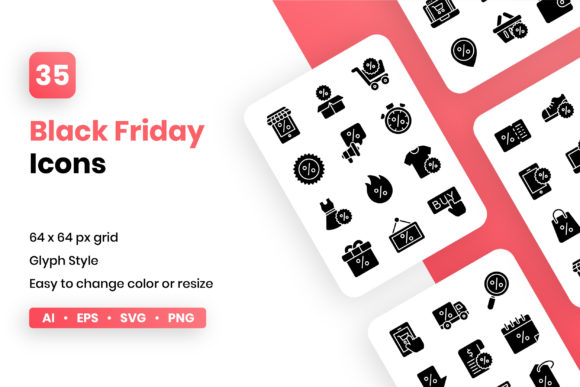
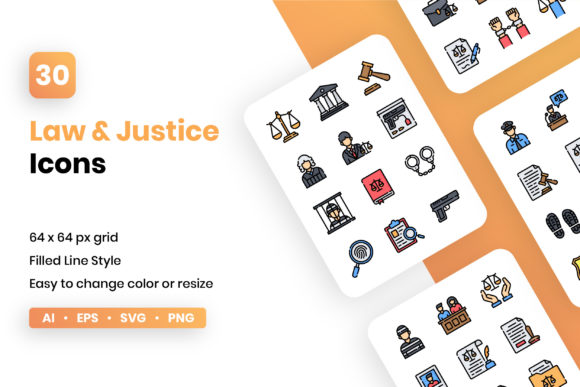
For those looking to create or use remote control app interfaces, finding high-quality templates and resources is crucial. BSD Studio offers a comprehensive collection of remote control app interface templates, including cartoon smartphone interface vector sets, mobile app screen pages, and more. These templates come in various file formats, such as JPEG, AI, PNG, EPS, and SVG, making them versatile and easy to use.
BSD Studio provides a variety of products, topics, and file types, ensuring that there’s always something new to explore. Whether you need icons, brochure templates, infographic elements, or mobile app screen pages, BSD Studio has you covered. By leveraging these resources, you can save time on design work while maintaining top quality.
Conclusion
Remote control app interfaces play a vital role in modern technology, offering a convenient and efficient way to manage and control various devices and systems. By understanding the key features, design considerations, and practical applications, you can make the most of these powerful tools. Whether you're a designer, developer, or end-user, exploring the resources available at BSD Studio can help you find the perfect solution for your needs.