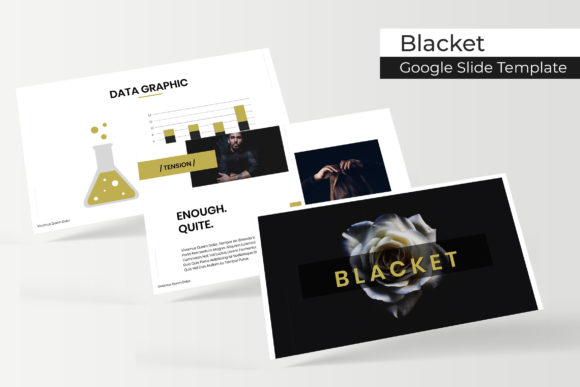
Elevating Visual Communication: A Comprehensive Guide to the Blacket Google Slide Template
In the modern landscape of digital communication, the ability to convey complex information quickly and aesthetically is a superpower. Whether you are a startup founder pitching to investors, an educator explaining intricate concepts, or a creative professional showcasing a portfolio, your presentation deck serves as the visual anchor of your narrative. However, building a professional-grade presentation from scratch is often a time-consuming endeavor that requires both design expertise and technical proficiency. This is where premium resources like the Blacket Google Slide Template bridge the gap between raw content and polished delivery.
Understanding the architecture and utility of a comprehensive template system is essential for anyone looking to improve their presentation workflow. The Blacket template is not merely a collection of backgrounds; it is a structured design ecosystem comprising 150 total slides distributed across five distinct color themes. By exploring the features, customization capabilities, and practical applications of this template, users can gain a deeper understanding of how professional slide decks function and how to leverage them for maximum impact in business, education, and creative fields.
The Architecture of Professional Presentation Design
To appreciate the value of a template like Blacket, one must first understand the common pitfalls of amateur presentation design. Beginners often treat slides as documents, cramming text into standard bullet points without visual hierarchy. Professional templates solve this by enforcing a grid system and typographic rhythm. The Blacket template exemplifies this through its massive library of 150 total slides. This volume is significant because it provides coverage for virtually every scenario a presenter might encounter, from introductory title slides to complex data visualization and concluding thank-you screens.
The sheer quantity of slides reduces cognitive load during the creation process. Instead of staring at a blank canvas and wondering how to layout a quarterly report, a user can browse pre-designed options that have already been optimized for readability and engagement. This shifts the focus from "how do I make this look good?" to "what story am I trying to tell?" In high-pressure environments like corporate boardrooms or academic conferences, this efficiency is invaluable. It allows presenters to iterate rapidly, testing different visual approaches to see which best supports their verbal narrative.
Color Psychology and Brand Consistency
One of the standout features of the Blacket template is its organization into 5 premade colors, with 30 slides dedicated to each template variation. Color is not just decorative; it is functional. In marketing and education, color guides attention, evokes emotion, and reinforces brand identity. Having five distinct variations allows organizations to maintain consistency across different departments or campaigns while keeping the underlying structural logic identical.
For example, a financial department might utilize the cooler, more conservative blue variation to convey trust and stability, while a creative team within the same company might opt for a vibrant orange or green theme to signal innovation. Because these variations are built on the same master foundation, switching between them does not break the layout or require manual resizing. This flexibility ensures that the template remains relevant regardless of the specific tone required for a meeting, making it a versatile asset for agencies and multi-brand corporations.
Mastering Content Visualization with Infographics
Data storytelling is a critical skill in the information age. Raw numbers rarely persuade audiences on their own; they require context and visual form. The Blacket template addresses this need through its inclusion of handcrafted infographics in PowerPoint. Unlike generic chart tools that produce sterile outputs, handcrafted infographics are designed with aesthetic intention. They integrate seamlessly with the slide’s overall style, ensuring that data feels like a natural part of the narrative rather than an afterthought.
These graphics serve multiple purposes:
- Simplification: Breaking down complex processes into digestible flowcharts or timelines.
- Comparison: Using side-by-side visuals to highlight differences between products or strategies.
- Emphasis: Drawing the eye to key metrics through size, contrast, and placement.
Furthermore, the template includes specialized Section Break Slides. These are often overlooked by novice designers but are crucial for pacing. In a long presentation, section breaks act as visual palate cleansers, signaling to the audience that a new topic is beginning. They help structure the mental model of the listener, improving retention and comprehension. When combined with high-quality infographics, these structural elements create a presentation that flows logically and maintains audience engagement throughout.
Portfolio and Gallery Layouts for Creatives
While many templates focus solely on corporate data, Blacket recognizes the needs of visual professionals through dedicated Gallery and Portfolio slides. These layouts are engineered to showcase imagery without distraction. They utilize whitespace effectively, allowing photographs and artwork to breathe. For architects, photographers, designers, and marketers, these slides provide a professional framework for displaying work that rivals dedicated portfolio websites.
The significance of these layouts extends beyond aesthetics. They demonstrate an understanding of visual hierarchy. In a gallery slide, the image is the hero; text is secondary. This reversal of the typical corporate slide hierarchy is essential for creative pitches where the quality of the work must speak for itself. By providing these specific layouts, the template acknowledges that different types of content require fundamentally different design treatments.
Technical Flexibility and User Experience
A beautiful template is useless if it cannot be edited efficiently. The Blacket template prioritizes user experience through several technical features designed for non-designers. Central to this is the use of Resizable and Editable Graphics alongside Picture Placeholders with drag-and-drop functionality. Picture placeholders are a game-changer for productivity. Instead of manually cropping, masking, and aligning images—a process that can take minutes per slide—users simply drag their photo into the designated area. The software automatically crops and fits the image to the frame while maintaining aspect ratio.
This functionality is rooted in Master Slides. Master slides are the backend blueprint of a presentation. Changes made to a master slide propagate to all associated slides. Blacket is built entirely on this system, meaning global changes to fonts, logos, or color schemes can be executed in seconds. Additionally, the promise of pixel-perfect illustrations ensures that when elements are resized or moved, they snap to a grid that maintains visual alignment. This prevents the "messy" look that often plagues edited templates, where text boxes drift and icons become misaligned.
What Is Included: Understanding the Deliverables
When acquiring a digital asset, clarity regarding deliverables is paramount. The Blacket package is comprehensive, ensuring compatibility and ease of use across different platforms. Specifically, the download includes:
- 5 PPTX Files: Standard format files compatible with Microsoft PowerPoint.
- 5 PPTX Widescreen: Optimized for modern 16:9 displays, which is the current industry standard for projectors and monitors.
- Readme First: Documentation guiding users through installation and customization.
- Free Font Download Link: Ensuring typography renders correctly without licensing issues.
The inclusion of widescreen versions is particularly noteworthy. As hardware has evolved, the old 4:3 standard has largely vanished. Providing native widescreen files prevents the stretching or letterboxing that occurs when older templates are forced onto modern displays. Furthermore, the provision of free font links eliminates a common friction point: missing fonts. Nothing ruins a presentation faster than opening a file only to find the typography has defaulted to Arial because the original designer used a paid typeface. By using free, accessible fonts, Blacket ensures portability and reliability.
Navigating Licensing and Asset Management
A critical educational point for any user of digital templates involves understanding licensing and asset inclusion. It is vital to note that all photographs or pictures used in the preview are not included; they are intended for illustration purposes only. This is a standard practice in the design industry, but it frequently causes confusion for beginners who assume the template includes stock photography.
Understanding this distinction helps users plan their workflow realistically. You will need to source your own imagery, whether through personal photography, company assets, or stock photo subscriptions. This separation actually benefits the user, as it encourages the use of authentic, relevant visuals rather than generic stock photos that may have been overused by others downloading the same template. It also avoids potential copyright complications, ensuring that the end-user holds full rights to the imagery they insert into the placeholder frames.
Integrating Templates into Modern Workflows
Ultimately, the Blacket Google Slide Template represents more than just a set of slides; it represents a shift toward efficient, professional visual communication. In an era where remote work and digital meetings dominate, the quality of your slide deck directly influences how your message is received. A polished, consistent, and well-structured presentation signals competence and respect for the audience's time.
By leveraging features like handcrafted infographics, master slide architecture, and intuitive drag-and-drop placeholders, users can produce agency-quality work in a fraction of the time. Whether for educational instruction, business strategy, or creative exhibition, mastering the use of such templates is a foundational skill in modern digital literacy. It allows creators to stand on the shoulders of professional designers, focusing their energy on the substance of their message while trusting the form to support it effectively.